Trivia Question❓In the Nature Coast Area of Florida, you can find a unique geological formation called "Old Inglis Man" which consists of what type of natural material? Answer at the bottom of the newsletter |

A new study published in the journal Marine Ecology Progress Series reveals that seagrass ecosystems along Florida's Gulf Coast have remained healthy and undisturbed for thousands of years, unlike many other seagrass ecosystems around the world. Conservation paleobiology was used to assess the health of these ecosystems by analyzing fossil records of mollusks. The study found that seagrass meadows along the Nature Coast are still in good condition, providing a benchmark for assessing degraded habitats. Threats such as nutrient pollution and climate change continue to pose challenges for seagrass ecosystems, but conservation efforts have shown some success in restoring these vital habitats. |
| Read More... |
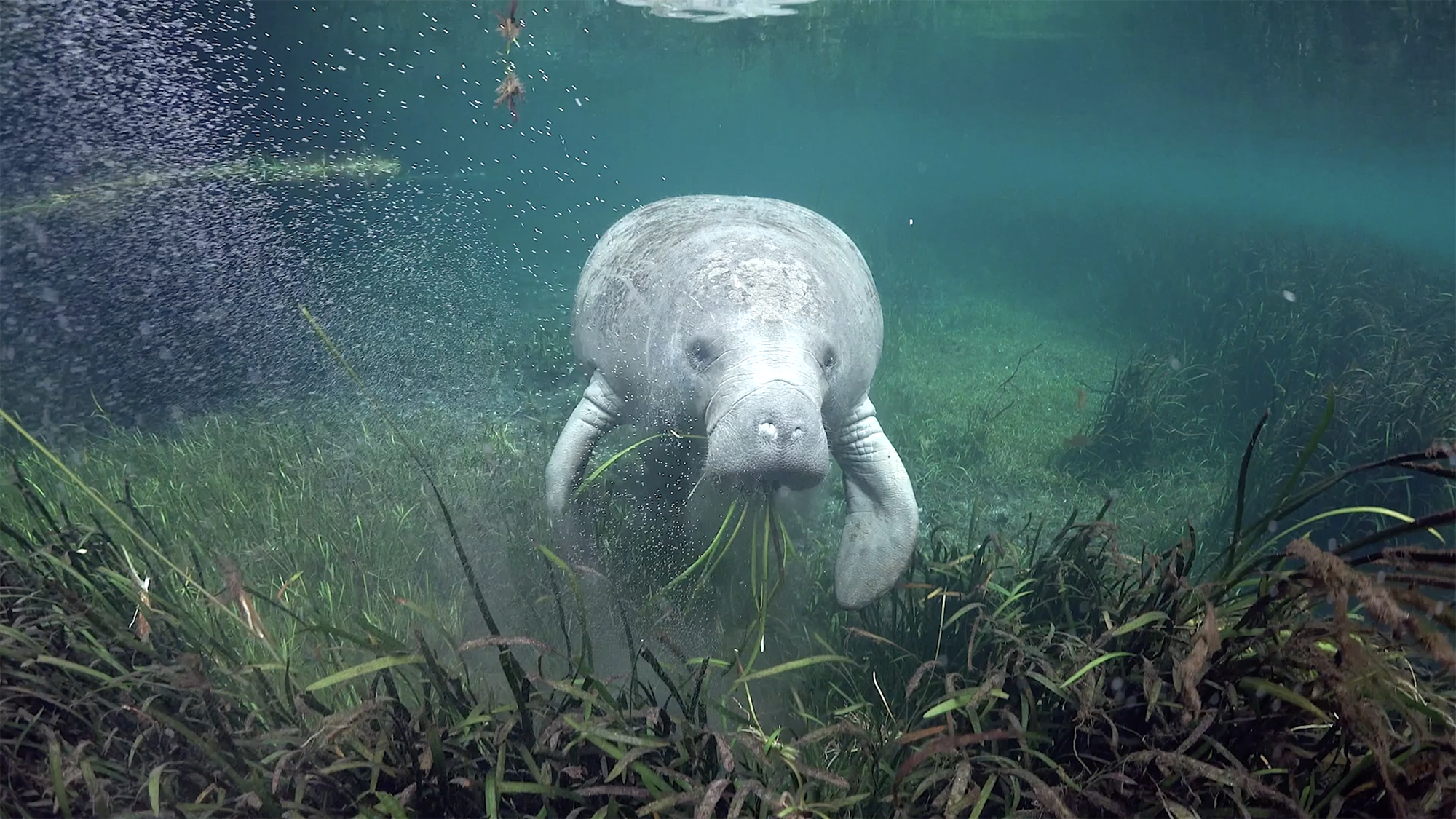
Seagrass meadows across Florida’s coastline are making a strong comeback, driven by focused restoration efforts.
In the Florida Panhandle, teams with the Seagrass Recovery Project are working in St. Joseph Bay Aquatic Preserve, where sediment tubes and bird stakes support new seagrass growth after mapping out boat damage. This initiative aims to heal roughly two acres of vital habitat, boosting the bay’s ecological vitality.
Sarasota Bay is also seeing progress as researchers from the Florida Fish and Wildlife Commission and Gulf Shellfish Institute team up to restore both seagrass and southern hard clams. By adding more than 46,000 clams to targeted plots, they’re harnessing the natural filtering power of these shellfish to revitalize water quality and seagrass beds.
Meanwhile, restoration continues in the Florida Keys, where experts respond to past ship damage by replanting seagrass and restoring lost sediment near Key West.
These projects safeguard marine life, stabilize coastlines, and promise a brighter future for Florida’s treasured waters. Read More... |
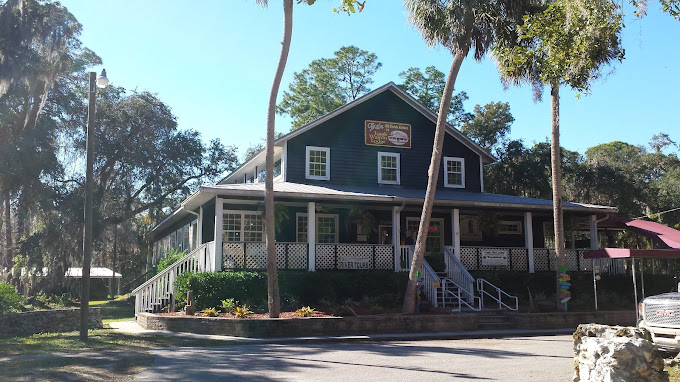
Tucked along the banks of the Withlacoochee River in Yankeetown, Blackwater Bar and Grill offers a riverside dining experience like no other. |
|
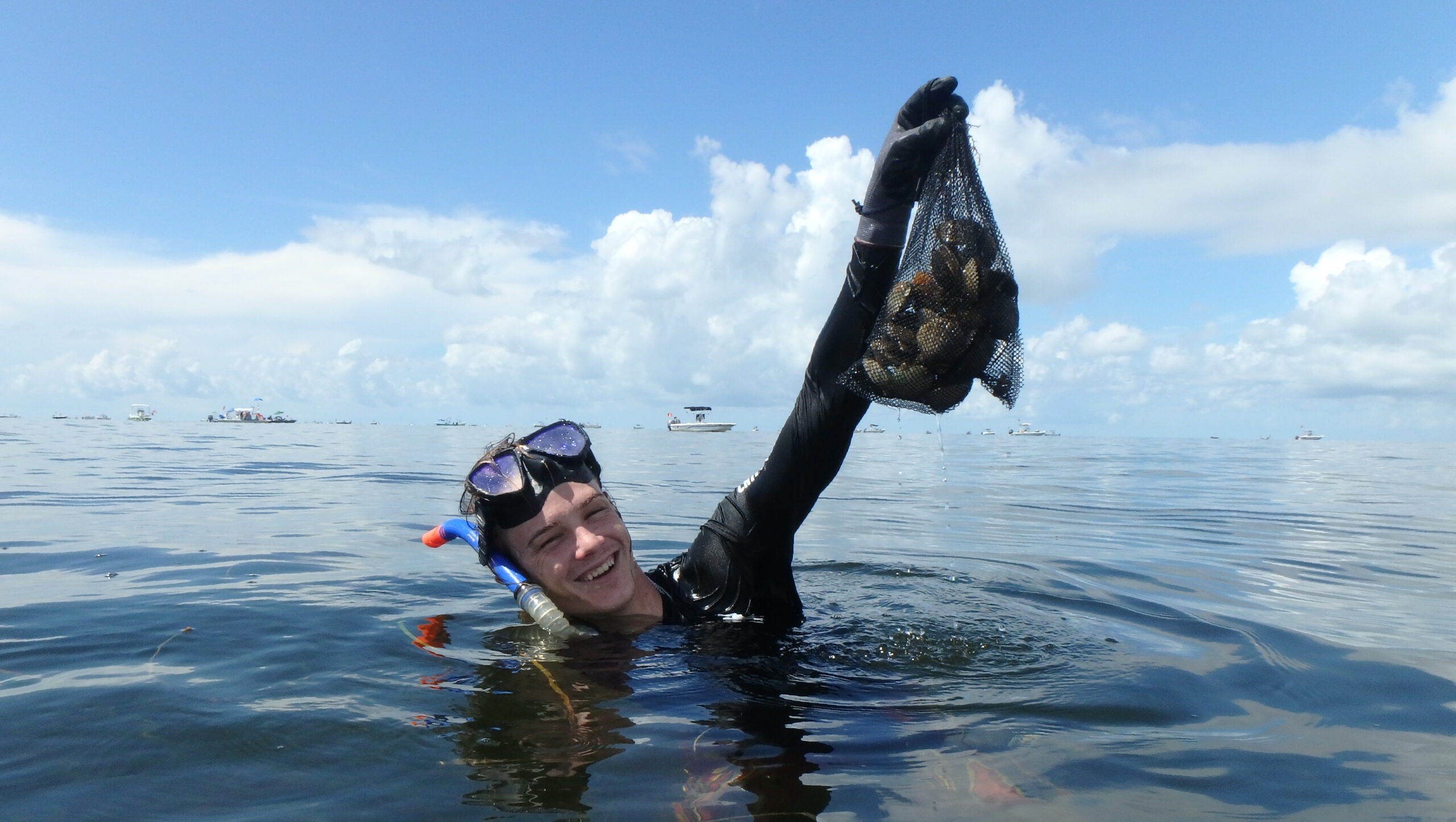
The eagerly awaited bay scallop harvesting season is now open in the Fenholloway-Suwannee River Zone, inviting locals and visitors to celebrate a beloved Florida Nature Coast tradition.
Running from June 15 to September 1, the season covers all state waters in Dixie County, parts of Taylor County—including Keaton Beach and Steinhatchee—and select areas of Levy County.
The Florida Fish and Wildlife Conservation Commission urges scallopers to follow regulations that safeguard both sustainability and community safety.
In June, daily bag limits are 1 gallon of whole scallops or 1 cup shucked per person, increasing in July to 2 gallons or 1 pint shucked, with strict vessel maximums.
Only hand harvesting or using dip nets is allowed, and a valid Florida saltwater fishing license is required unless exempt.
Local businesses are poised to benefit from the seasonal influx, while participants are reminded to observe safety near divers and boats.
Enjoy this special coastal tradition by following the rules and savoring the natural bounty. Read More... |
 |
Q&A Questions |
Q: What are some popular outdoor activities to do in the Nature Coast Area? A: - Snorkeling, kayaking, and hiking are popular outdoor activities in the Nature Coast Area. Q: When is the best time of year to visit the Nature Coast Area? A: - The best time to visit the Nature Coast Area is during the spring or fall when the weather is mild and there are fewer crowds. Q: Are there any unique wildlife viewing opportunities in the Nature Coast Area? A: - Yes, the Nature Coast Area is known for its opportunities to see manatees, dolphins, and a variety of bird species in their natural habitats. |
💡 Answer to Trivia Question: Limestone |